NAIROBI, Kenya, Nov 23 – The United Nations Children’s Fund (UNICEF) has urged the national and county governments to safeguard funding for education, healthcare, child protection and social protection programmes amid declining international aid, warning that funding cuts could leave vulnerable children exposed to greater risks.
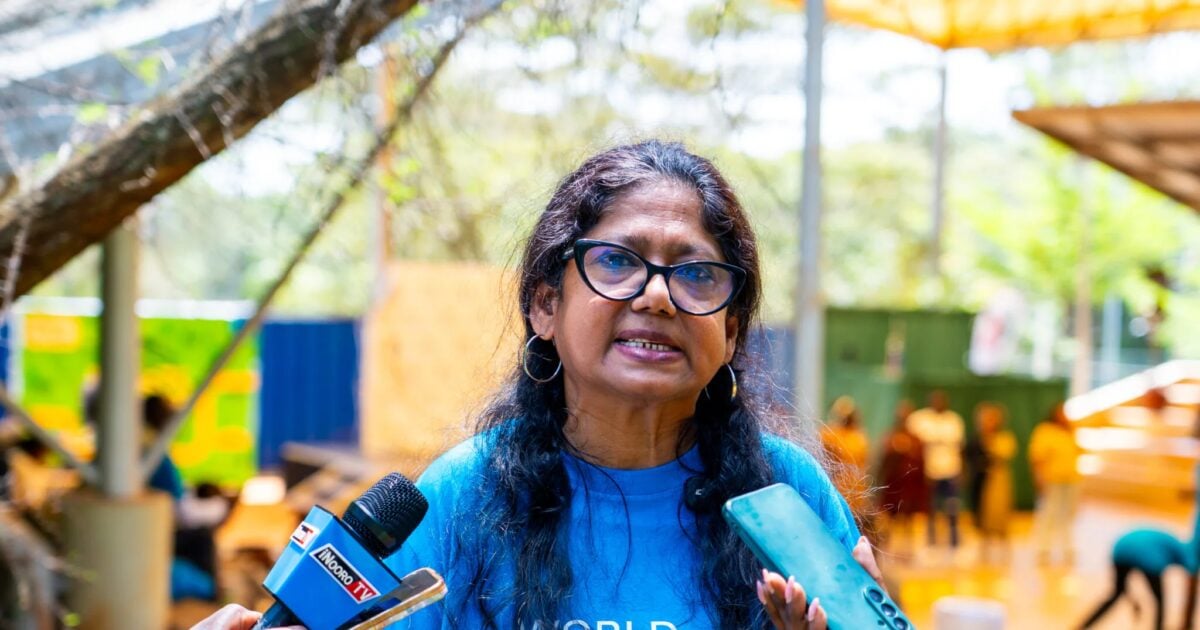
UNICEF Representative to Kenya Dr Shaheen Nilofer made the appeal during World Children’s Day celebrations at the United Nations Office in Nairobi on Friday, calling on governments to prioritise children’s needs in budget allocations.
“Investing in children is no rocket science. You can still be able to redeploy and re-prioritize,” Nilofer said while responding to concerns over declining official development assistance and its potential impact on services targeting children.
She warned that reduced funding could disproportionately affect children living in poverty, those with disabilities and others facing limited access to essential services, increasing their vulnerability to exploitation and hazardous labour.
Nilofer urged governments to protect allocations for education, healthcare, child protection and social assistance programmes, including cash transfers for orphans and vulnerable children.
She said governments must balance infrastructure investments with spending on essential services that directly benefit children, particularly those from disadvantaged households.
The UNICEF representative also called on county assemblies to prioritise children’s welfare when approving budgets, noting that decisions made at both levels of government determine whether essential services reach vulnerable communities.
“We’re reminding that members of the county assembly, when you’re doing a budgeting, please make sure the centrality of the children must be in front of the budget,” she said.
Nilofer cited children in counties such as Mandera and Turkana, where poverty, disability and other forms of disadvantage can overlap, limiting access to education, healthcare and protection services.
She also raised concerns that inadequate social support could push some children into hazardous employment, including unregulated mining activities in parts of Migori and Turkana.
On declining international assistance, Nilofer said UNICEF was working with governments and development partners to identify ways of sustaining essential services.
She called for greater private-sector involvement in programmes benefiting children and urged governments to strengthen domestic resource mobilisation to reduce dependence on foreign assistance.
Despite the funding challenges, Nilofer acknowledged Kenya’s progress in education, healthcare and efforts to address harmful practices affecting children.
She said improvements in school enrolment, maternal and child health, and other social programmes reflected the contributions of government institutions, development partners and civil society organisations.
However, she cautioned that recurring emergencies, including droughts, floods and disease outbreaks, continued to undermine progress and place additional pressure on services targeting vulnerable communities.
The concerns come amid persistent inequalities in children’s access to basic services, particularly in rural areas where poverty and limited access to healthcare, education and adequate housing continue to affect their welfare.
Earlier this month, Kenya became the 80th country to sign the Intergovernmental Declaration on Children, Youth and Climate Action, committing to place children’s rights and needs at the centre of climate policies and investments.
The declaration came amid concerns that approximately 12 million of Kenya’s 24.6 million children face moderate to very high risks from climate change and disasters.
Friday’s World Children’s Day celebrations were held under the theme “My Day, My Rights, My Future,” bringing together children and their caregivers for activities aimed at raising awareness about children’s rights.
The event featured a treasure hunt, games and other interactive activities through which children learned about their rights while engaging with their peers.
Among the participants was 12-year-old Raziel, who identified the treasure hunt as his favourite activity, saying the celebration had helped him better understand children’s rights.
“I learned that children deserve a lot of rights like an adult,” he said.
Raziel also urged people to treat children with kindness, noting that they would play an important role in shaping the future.
Parents attending the celebrations called for greater awareness of children’s rights and the responsibility of families and communities to protect them.
Nyagwaga Luoch Koriom, who attended the event with her two children aged 10 and 13, said the celebrations provided an opportunity for parents and guardians to reflect on how they treat children.
She emphasised the importance of education, provision of basic needs and protection from abuse, urging communities to take action whenever they witness the mistreatment of children.
“For example, right to clothing, right to school, and every other right that we know,” she said.
Koriom also called for greater attention to girls’ education and stronger measures to protect children from sexual abuse and other forms of violence.
World Children’s Day is observed annually on November 20 to commemorate the adoption of the United Nations Convention on the Rights of the Child in 1989.
The convention recognises children’s rights to survival, development, protection and participation in decisions affecting their lives.
The celebrations underscored the need to translate commitments to children’s rights into practical action, including sustained funding for essential services and stronger protection mechanisms for vulnerable children.