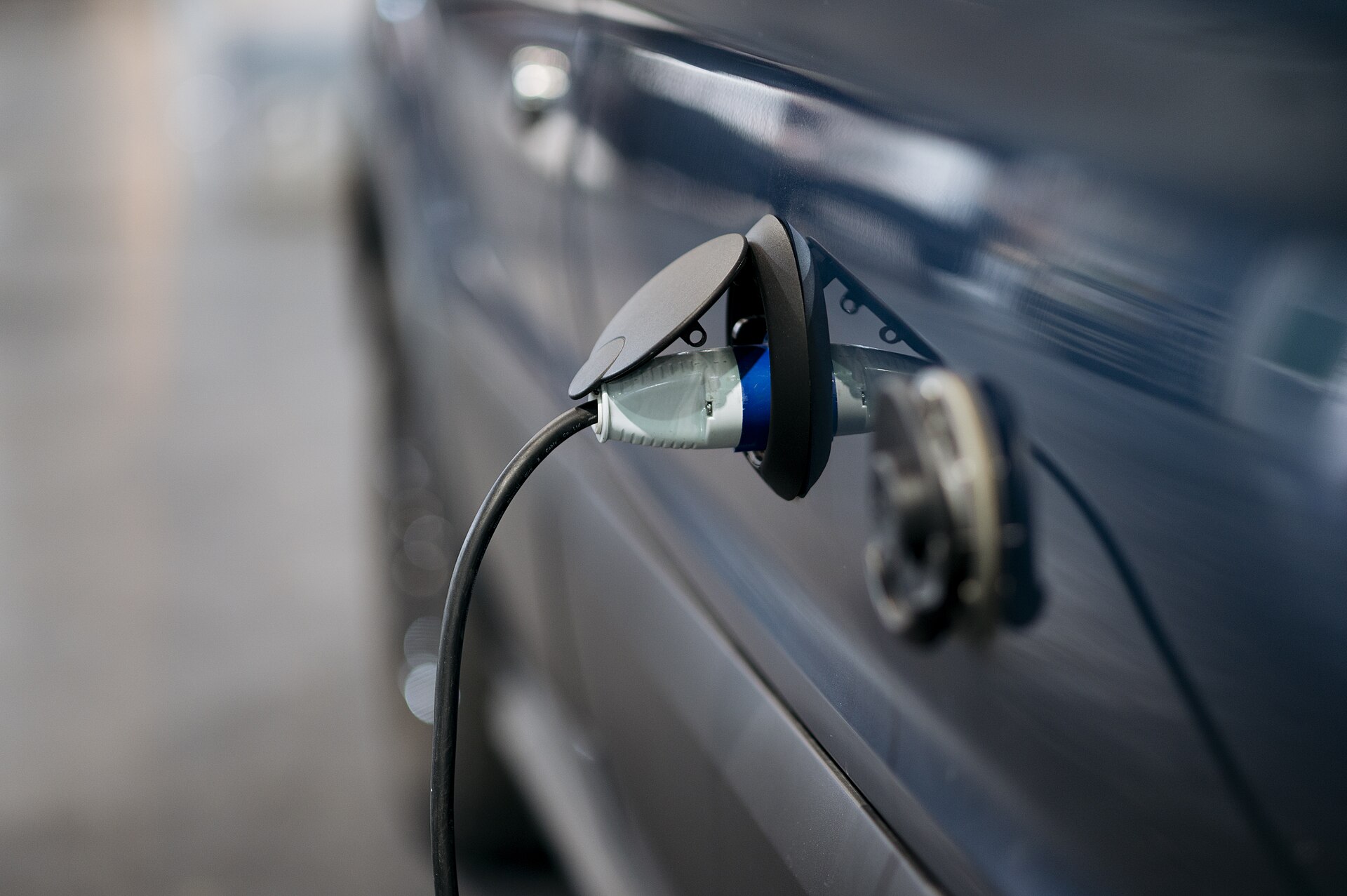
Households in England face a postcode lottery when it comes to whether their council allows those without driveways to install so-called ‘gullies’ to charge electric vehicles, Byline Times analysis has found.
Twelve councils that had previously been reported as not having policies on cross-pavement charging – where those without drives can run a charging cable through a channel set into the pavement – have between them reported over 600 enquiries about charging their car across the pavement from their home.
But barely one in ten of the applications or enquiries reported have been approved – 69 out of over 600 in the sample we assessed.
Many councils cite fears over trip hazards and maintenance (though well-installed gullies should be flush with the pavement).
Since last month, residents in England no longer need planning permission to install qualifying cross-pavement charging systems, as part of the Government’s drive to increase uptake of electric vehicles.
But they still need permission from the ‘highway authority’, usually the same local council, in a separate layer of paperwork, in order to install one. And of the 25 councils that set out a position to us, 20 do not currently allow them.
A lack of ability to charge at home – often on overnight tariffs of 7p to 9p per kWh, compared with an average of 82p on rapid and ultra-rapid public chargers (according to ZapMap index) – is often cited as a major barrier for people wanting to switch to EVs.
Of the 66 councils listed by tracker site Hedgevolt as having no published policy, 28 (42%) replied to Byline Times.
We found that four of the 28 are already running live schemes: Derbyshire (222 enquiries, 39 approved), South Gloucestershire (54 applications, 15 approved), Bedford (15 applications, all approved; £1,000 fee) and Cornwall (where a subsidy is available of up to £1,200, for those who apply and pay £184 for a licence).
Source: Council responses to Byline Times. Figures are as reported by each council and count different things (enquiries, requests, applications or trial registrations). The sample is of councils which responded to us that had not previously been listed as having policy on the issue by HedgevoltDerbyshire County Council ranked highest for approvals (39 out of 222 so far) – but despite this, says it has no formal published policy on cross-pavement charging “at this stage”.
Councils appear to be scrambling to draw up policies. Around a third of households in England have no off-street parking, and so no option to install a charger on a driveway, rising to more than half in London, according to the RAC.
Sixteen of the 28 councils say cross-pavement charging is not happening yet, but it’s coming – for example through a trial, pilot or policy review.
Four have no plans to allow it – Barnsley, Darlington, Kensington and Chelsea, and Medway – variously citing safety, maintenance and heritage concerns. Darlington’s EV policy, published in February 2025, states: “We want to ensure that EVs are a viable option for all residents, and recognise that for many people a lack of off-street parking is a barrier.” But the same policy bans cross-pavement channels entirely.
The East Riding of Yorkshire is one of several councils whose figures suggest demand is there, with 77 requests from residents for cross-pavement charging, but none approved.
Differing Approaches and Timetables
Councils appear to be taking wildly different approaches to how much effort they are putting into the matter – perhaps understandably given the many pressures they are facing on SEND and social care budgets.
Solihull missed its own October 2025 target to set up a cross-pavement trial and publish guidance. Cheshire West’s 2023 evidence base rated gullies cheap and scalable (“low tech and simple”, with “very low ongoing costs”), but a scheme is only due in early 2027. The same policy warned that channels need regular cleaning, claiming they could be “potentially dirty and with implications for disabled users”. Meanwhile, Southampton’s online guidance tells residents how to run a cable across the pavement under a cable protector – but it bans channels.
Cheshire East’s EV charging web page says the council “recognises the potential to install cable channels within footways to serve EV charging cables”, but its trial will not launch until spring 2027.
Related reading: The Times Is Forced to Correct a Misleading Article Claiming Electric Vehicle Demand Is Falling When It’s Actually Rising
Birmingham, Cheshire West, Hillingdon, Nottingham and Solihull councils all point to early 2027 for a policy, scheme details or an update.
Leicestershire County Council expects a trial to begin “next year”. Sandwell has “no defined timetable”. Swindon’s scrutiny committee will consider a report covering cross-pavement charging on 26 November.
Permitted development rights – removing the need for planning permission – for cross-pavement charging took effect on 21 October 2026. The law appears to have moved faster than the councils.
Households with only on-street parking can get a UK-wide Government grant of up to £500 towards a home chargepoint, as long as it is installed alongside a permanent cross-pavement solution such as a gully. Applicants must already have permission from their local highway authority.
What Councils Told Us
We aren’t able to quote every council which responded in full, but we will give a flavour of the most pro- and anti- responses.
Cornwall Council pointed to its website, which says: “Cornwall Council is here to help if you park on the street and want to install an electric vehicle (EV) charger.”
In 2023, Cheshire West and Chester’s EV strategy said cable gullies or channels had “the potential to become an alternative low-impact on-street charging option, deliverable at mass scale, simply and cost-effectively, in a similar way to dropped kerbs.” But the council still doesn’t permit channels.
Bedford Borough Council’s EV strategy from October 2024 noted the strong cost case: “a specialised EV tariff can offer electricity at 10p or less per kilowatt hour overnight”, compared with far more at public chargepoints.
Related reading: Surge in Petrol-Guzzling SUVs Means Carbon Emissions From Petrol and Diesel Cars Are No Longer Falling
Four, though, have no plans to permit it, and some appear firmly opposed. The Royal Borough of Kensington and Chelsea told Byline Times: “Kensington and Chelsea is home to some of London’s oldest and most picturesque streets. As custodians of these important and historic spaces, we must balance providing convenience to residents with maintaining the unique charm of the borough.”
Darlington Borough Council said: “We do not permit charging from properties that requires cables to run across, through or over the highways these could cause a trip hazard, impede people using the road and pavement and lead to claims against the council and householder from people who are injured due to a trip or fall.” The response appears to equate running raised cables over the pavement with installing gullies that are flush with the pavement.
And a Medway Council spokesperson said: “We will of course keep emerging technologies and national guidance under review, but our priority remains solutions that are safe, inclusive, and work across the whole community.”
Barnsley Council told us: “Our current position is intended to keep pavements safe and clear for everyone, in line with our responsibilities under the Highways Act 1980.”
According to tracking site Hedgevolt figures before this article’s publication (therefore largely excluding the councils we approached), 34 of the 152 English councils they track have a live scheme or a trial for charging channels across the pavement, while 41 have plans or policies under review. Another 14 don’t allow it at all.
Related reading: The Dead End of Keir Starmer’s ‘British Cars for British Workers’ Trump Cosplay
Government EV Targets
The findings come as the Government is reported to be preparing to cut its target for the share of new cars sold in 2030 that must be zero-emission, from 80% to around 60%, after electric cars made up 26.6% of new car sales so far this year against a 33% target. Ministers insist no decision has been taken.
The move has been met with concern from environmental groups who say that it will slow down the UK’s inevitable transition to electric vehicles. Mike Davis, CEO of the Green Alliance think tank said: “The UK is already behind other countries on production of EVs, yet the government is bowing to the pressure of a small number of laggard companies.”
He added: “Rather than tackling the real issues affecting a few manufacturers, ramping up charging and supporting a wider range of households to access new EVs, the government is punishing drivers by keeping them hostage to volatile fossil fuels for longer.”
The lack of home charging options for those without off-street parking is likely to only add to those fears.
Council positions on cross-pavement charging – sample of responses
The councils which responded to Byline Times have a total population of about 8.85 million people, roughly 15% of England’s population.
CouncilPositionTiming / noteLive scheme (4)BedfordPermits channels, with a £1,000 fee15 applications, all approvedCornwallSubsidy up to £1,200 (LEVI), users must pay for £184 licenceNo figures givenDerbyshireChannels offered under an “S111 licence”No published policy “at this stage”South GloucestershirePavement channel trial, launched Aug 2026Funded via West of England Combined AuthorityNot permitted – trial, pilot or policy in development (16)BirminghamReviewing policy. No applications accepted meanwhileUpdate early 2027Cheshire EastDeveloping a cable channel trialSpring 2027Cheshire West and ChesterScheme in preparationDetails early 2027East Riding of YorkshireConsidering a trial, interest is being registeredNo decisionHillingdonPolicy under reviewEarly 2027Hull“Investigating” cross-pavement solutions (web text)No dateKingston upon ThamesPilot in preparationDates not finalisedLeicestershireGrant-funded trial. Supplier to run it not yet secured2027North East LincolnshireGrant-funded trial. Council is procuring delivery partnerNo dateNorth SomersetManaged trial in developmentNo datePortsmouthExploring a trial (web page)No dateSandwellDeveloping a process“No defined timetable”SolihullThree trial units off the highway, highway trial is nextFrom 2027SouthamptonReviewing options and legal frameworkNo dateSwindonAssessing other councils’ trials, policy report comingScrutiny committee 26 Nov 2026Waltham ForestExploring whether a pilot could be introducedNo dateNot permitted – no plans to change (4)BarnsleyKeeps pavements clear (Highways Act 1980), will keep under reviewNoneDarlingtonPrefers shared public charging - says channels “a protected private parking space”Under review as trials concludeKensington and ChelseaNo trial - cites historic streets’ “unique charm” and awaits IET safety updateNoneMedwayCites pedestrian safety, maintenance and liabilityWill keep under reviewNo position given (1)NottinghamDeclined to commentComms due early 2027Got a story? Get in touch in confidence on [email protected]