Home prices fell year-over-year in October in 76 of the 300 biggest housing markets in the country, according to housing research firm ResiClub’s analysis of the Zillow Home Value Index. That’s up from 54 markets in August and 66 in September. The count is back up but still below March, when 89 of the 300 markets had falling prices, per ResiClub data Fortune reported in April. In the nation’s top 50 housing markets, 21 of them (42%) are experiencing year-over-year price declines. But the 30-year fixed mortgage rate averaged 7.28% on Nov. 19, per Freddie Mac, and that threatens to eat into whatever buyers save.
Nationally, home prices rose 0.7% year over year in October, down from 1.0% in September and 1.3% in August, ResiClub’s analysis shows. ResiClub says the renewed softening has coincided with a jump in long-term yields and mortgage rates. Zillow estimates the monthly payment on a typical U.S. home, assuming 20% down, was $2,004 in October, up 12.8% from a year earlier, and says the rise is almost entirely due to higher mortgage rates.
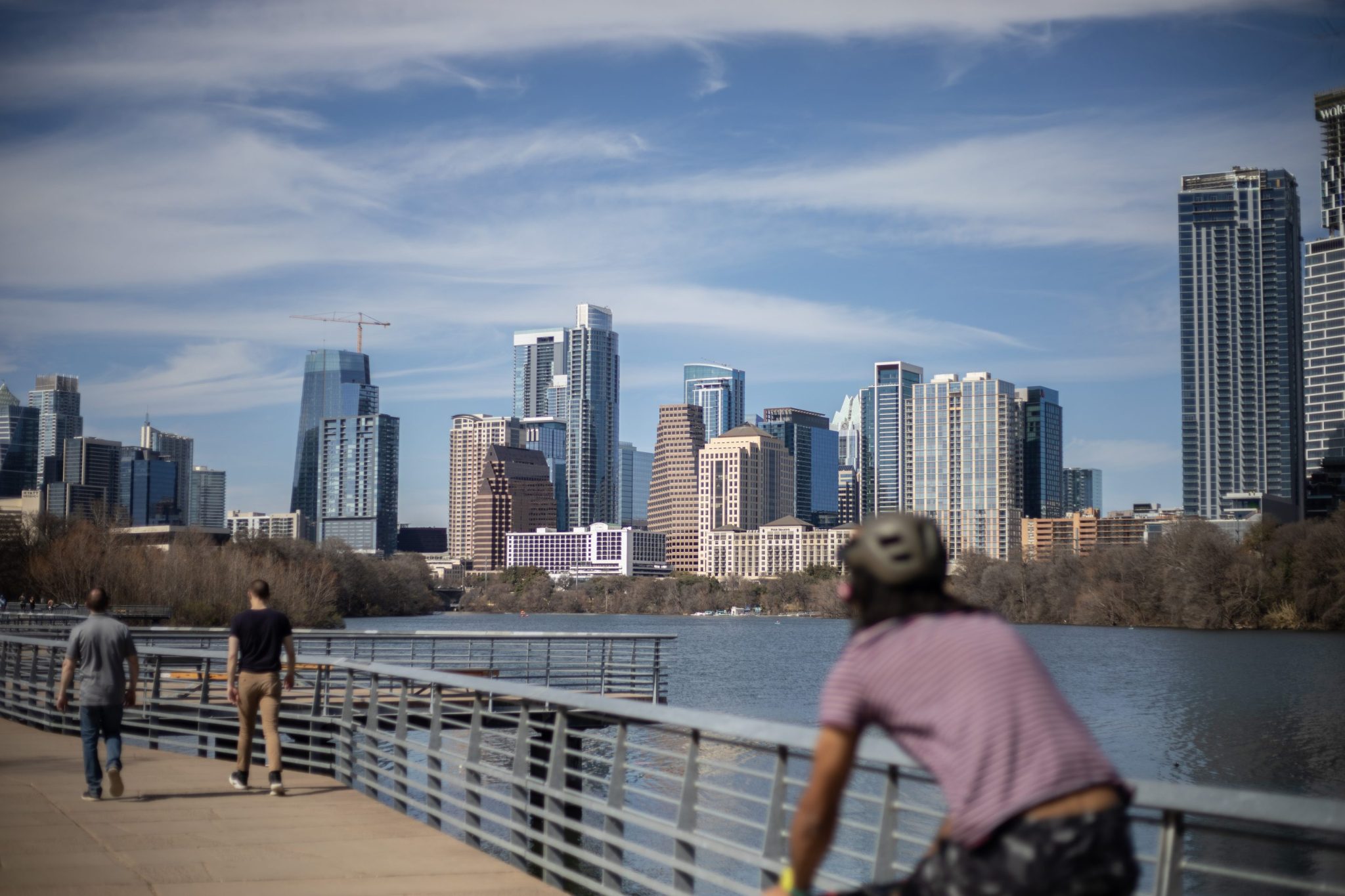
But the correction isn’t uniform. Home prices in Austin, Texas, are 28.8% below their 2022 peak, while over a thousand miles northeast in Hartford, Connecticut, they’re 28% higher than their 2022 high, per ResiClub. And it’s taking place against a backdrop of weakening national housing demand, with newly pending listings falling 16.8% year-over-year in October, the biggest year-over-year drop since August 2023, according to Zillow’s October housing market report.
ResiClub CEO Lance Lambert, who was also Fortune’s former real estate editor, told Fortune readers four years ago that the factors that fueled Austin’s pandemic-era housing boom–increasing work-from-home migration and rising prices leading to more home-building—would also leave it more vulnerable to cooling. In September 2022, Moody’s Analytics said Austin’s housing market was overvalued by 61%, which means home prices were detached from local incomes.
“That’s exactly what happened in Austin over the past four years, as the market went through a significant home price correction after the boom,” Lambert told Fortune. “Austin was a classic boom-bust.”
Many markets that saw home price drops this year are in the South, like London, Kentucky, which topped ResiClub’s list with a 5.61% year-over-year decline, and Austin, Durham, and Savannah, which saw year-over-year declines of 3.87%, 3.58%, and 3.33%, respectively. The region previously benefited from remote workers fleeing expensive coastal metros for the Sun Belt during COVID, attracted by sunny weather and lower costs. But the influx of buyers drove up home prices and spurred construction, eroding the affordability that made those housing markets attractive in the first place.
Jenna Stauffer, a real estate broker with Ocean Sotheby’s International Realty, told Fortune Austin “was one of the pandemic darlings” but said developers overestimated how long that demand would last.
“We’re seeing similar adjustments in other pandemic boomtowns,” Stauffer said. “Cities overbuilt expecting that demand to continue, but it didn’t because affordability became so stretched.”
There are signs Austin is tilting in buyers’ favor. Closed home sales across the metro area fell 11.4% year-over-year in October, with market inventory of homes reaching 6.2 months, up from 5.8 months a year earlier, according to a report from Unlock MLS, a real estate database used by brokers in Central Texas.
But the other 224 biggest housing markets ResiClub analyzed are seeing home prices rise in metro areas like Chicago, Milwaukee, Kansas City, and Cedar Rapids.
Lambert said he wasn’t surprised by Chicago’s resilience. Moody’s said Chicago’s housing market was undervalued in 2022, and the Midwest’s relative affordability has helped younger homebuyers. Fortune previously reported that Gen Zers flocked to states like Nebraska, Michigan, and Iowa for homes that are 30% cheaper than those on the coasts.
“Some markets are correcting, while others are still dealing with extremely limited inventory,” Stauffer said.
Zillow expects the sales slowdown to be worse in November and to ease into the new year. Its November report is due Dec. 4.
This story was originally featured on Fortune.com