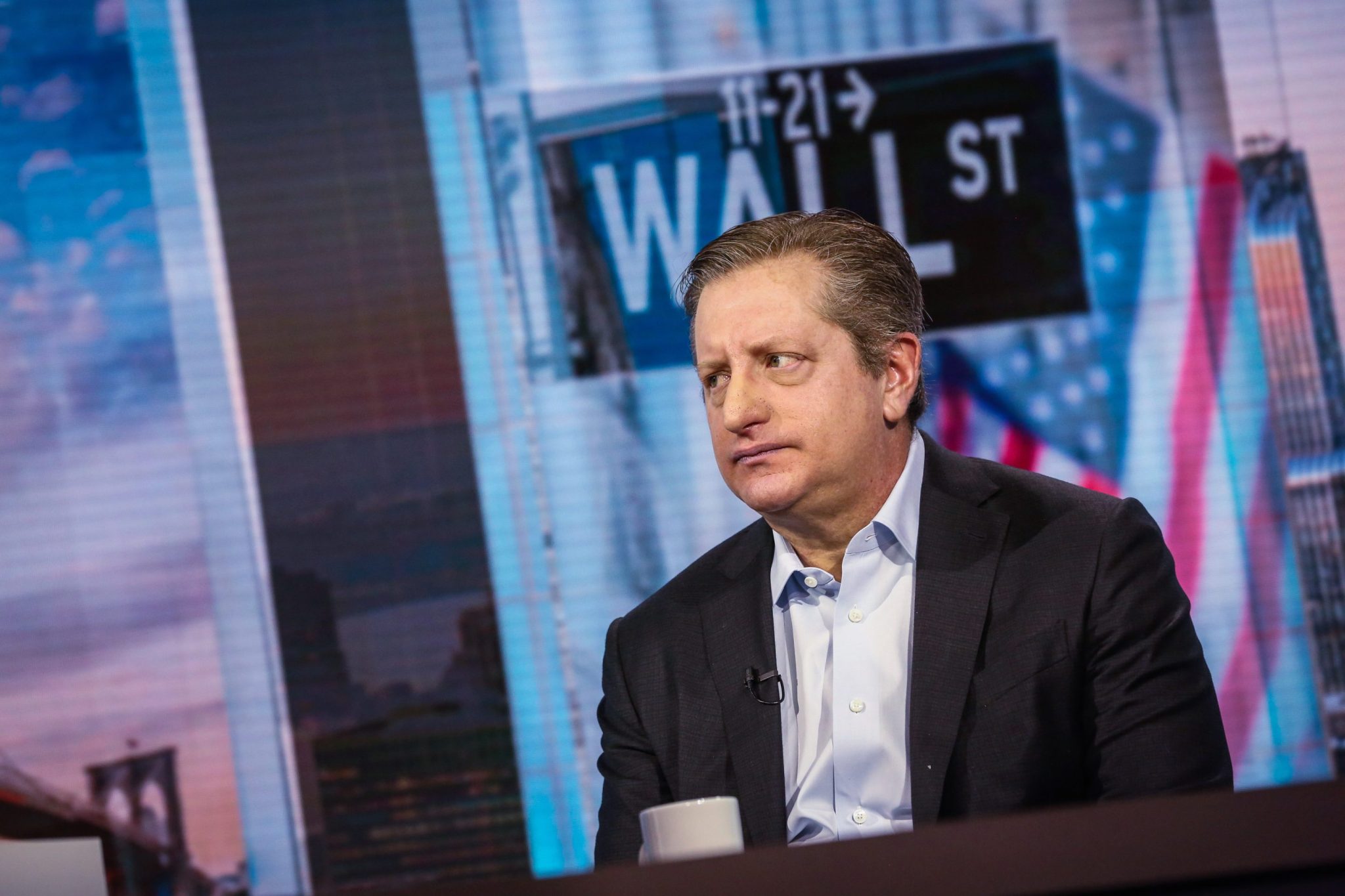
Steve Eisman, the investor who bet against subprime mortgages before the 2008 financial crisis, once owned a home. He sold it, and now he rents.
He says young Americans should do the same: “Don’t buy that house.”
Eisman, whose lucrative subprime mortgage prediction was chronicled in the movie “The Big Short,” based on author Michael Lewis’ 2010 book, said in an interview Monday on The Diary of a CEO podcast that buying a house no longer makes economic sense in the U.S.
Eisman’s pitch comes as owning is pulling further away from renting. A household that can comfortably afford to rent a typical single-family house, at $2,243 a month, would need a $14,408 annual raise to buy one, Zillow said in its October rental report. That is the widest gap since early 2025.
After accounting for the extra costs like property insurance and taxes that come on top of a monthly mortgage payment, Eisman explained, the math for buying a home no longer adds up.
These hidden expenses, coupled with the fact that interest rates on a conventional 30-year mortgage now stand at about 7.13%, compared to just 3% in 2021, makes owning a home “probably 50% more expensive today,” than it was five years ago, he said. Existing home prices are up 54% nationwide compared to 2020, and remain nearly five times higher than the median income, according to a study by the Harvard Joint Center for Housing Studies.
When confronted on the podcast with the argument that owning a home is the primary way everyday Americans build wealth, Eisman acknowledged that historically that had been the case, but no longer.
“I think those days are over,” he said. “I have thought that for a long time.”
Instead of buying, Eisman said young people should rent and put the money that they save on housing into the stock market. And when they do invest, they should keep it simple, he said. Put half the money into the S&P 500, which tracks the broader market, and put the other half in an index fund that tracks the Nasdaq 100, which is tech heavy and could bring higher returns but is also more volatile.
While some people criticize renting because they say it is like throwing money away, Eisman said, “That is a complete mistake, to think of it that way.”
“It’s more expensive to own the house than to rent. So, you could take the extra money and invest,” he added.
To say Eisman has some experience with investing is an understatement. In the run-up to the 2008 financial crisis, he was among a small group of Wall Street investors who recognized that the booming U.S. housing market was built on a shaky foundation of risky mortgages and took an unpopular bet against it. Eisman’s bet against subprime mortgage-backed securities starting in 2006 helped double the size of his fund to $1.5 billion from $700 million when a wave of defaults started.
Eisman’s advice comes as anxiety is growing among young Americans about their ability to get ahead financially. A record 25.2 million 18 to 34-year-olds live at home, according to data from Realtor.com. With the rise of AI, many young Americans have also said they are worried about AI job displacement.
As for renting, Eisman said he likes it partly because of the convenience.
“I really like renting,” Eisman said. “When there’s a problem, I call the building. They fix it. Doesn’t cost me anything.”
This story was originally featured on Fortune.com